
Arriving at Trocadero 162
I approach from Calle Amargura
then turn down El Prado
where I watch a group of painters
test the colors of fluttering hummingbirds
on Yemayá’s canvas.
The day before I dreamed
of the Babalawo’s white shells
cast across a black tapestry
and “tiny as the sky.”
Without asking, I peer into a tobacco shop
and watch an octogenarian musician’s hands
change movements behind the mossy glass
of the void, there, where his remains rest.
Someone closes the door
and on a different folding screen
I dab the sweat from my forehead.
I walk along thinking of the inscription on a tomb:
I have never officiated at the altars of hate.
I continue, then turn down Trocadero.
I say to myself: “At last I’ve arrived at The House of the Alibi,”
at Trocadero 162,
where memory is preparing a surprise.”
Mariano’s Japanese rooster
and Arche’s portrait of Lezama
offer respite from asthma and the humid palm trees.
I see bronze figurines, family ancestors
who watch us from their marble farewells,
and the body of a dragon above a tableau
filled with books and cut quartzes or gemstones.
Clumsily I stumble into a shelf
and the Danish pitcher shatters on the floor.
There lie its scattered fragments
and the people who run the place rush in to calm my concern.
I collect the pieces of the pitcher
and memorize their edges with my fingers.
The people who run the place dump the fragments
in a drawer and show me to the exit
as a waltz plays at the port.
I have returned to the days of Lezama’s house—
pavilion, fish tank, submerged grotto.
The morning opened in bird shadow
on the babbling river of Obispo Street
where music tips and pitches to the squeaks of mollusks.
I went back into The House of the Alibi
and found the pitcher undamaged, still sitting on the shelf.
Al llegar a Trocadero 162
Avanzo desde la calle Amargura
hasta descender por el Prado
y veo un grupo de pintores
ensayando el color del aleteo del colibrí
sobre el lienzo de Yemayá.
El día anterior soñé con los caracoles blancos
del babalawo esparcidos sobre el tapiz negro
–tan diminuto como el cielo–.
Sin preguntar me asomo en una tabaquería
y los gestos del músico octogenario
cambian de movimientos bajo el vidrio musgoso
del vacío, allí donde reposan sus restos.
Alguien cierra la puerta y enjuago
el sudor de mi frente en otro biombo.
Voy pensando en la inscripción de una tumba:
No he oficiado nunca en los altares del odio.
Sigo caminando y entro en la calle Trocadero.
Me digo: «Por fin llego a La casa del alibi,
a Trocadero 162,
donde la memoria prepara su sorpresa».
El gallo japonés de Mariano
y el retrato de Lezama por Arche
ofrecen una tregua al asma
y a la humedad de la palmera.
Veo estatuillas de bronce, ancestros familiares
que nos vigilan desde el mármol de los adioses
y el cuerpo de un dragón sobre un retablo
de libros, piedras o cuarzos recortados.
Empujo desmañadamente un estante
y la jarra danesa se astilla en el suelo.
Ahí están los pedazos inconexos
y los encargados del lugar
corren para apaciguar mi desvelo.
Recojo los pedazos de la jarra
y memorizo sus relieves con mis dedos.
Los encargados del lugar vuelcan los fragmentos
en una gaveta y me indican la salida
al tiempo que suena un vals en el puerto.
Volví a los días a la casa de Lezama
–pabellón, pecera, gruta submarina–.
La mañana se abría con la sombra de las aves
y el río conversable de la calle Obispo,
música que se ladea con los chillidos del molusco.
Entré de nuevo a La casa del alibi
y lo pude comprobar,
la jarra estaba ilesa, aún sobre el estant
The Lotus-eaters
Such fleeting dreams have the lotus-eaters.
Here, the joyous plants and their fruit
are gnawed by the teeth of weariness.
On these yellowed shores live
travelers who came with the king of Ithaca.
“Our dream is here,” they cried out to Ulysses
and the ship left them behind
with their poppy blossom eyes
and the weary West of their coasts.
In these regions, ant-colored twilights sink
as pines make their passage to the bed of stones.
“Our dream is here,” we hear
the warriors who fought in Troy whisper.
The mast of the vessel is a petrified womb
filled with shipwreck remains
and stranded on a beach that is a tomb.
“That wave drags voices and traces of birds with it.
Where is the sword hilt
with the mark of the god?” they cry.
Like the lizard on his rock
the lotus-eaters sprawl across their watermarked silk
of slow staircases and green swaying:
bitter the plant, bitter is the littoral illusion.
“Our dream is here,” they cried out to Ulysses
and the ship left them behind
with their poppy blossom eyes
and the weary West of their coasts.
Los lotófagos
Menudo sueño el de los lotófagos;
aquí la planta gozosa y sus frutos
masticados por los dientes del cansancio.
En estas costas amarillas viven
los viajeros que llegaron con el rey de Ítaca.
«Nuestro sueño es aquí», exclamaron a Odiseo
y la embarcación los dejó
con la adormidera de los ojos
y el Oeste fatigado en las costas.
En esta región se hunden los crepúsculos
con los colores de la hormiga
y el paso de los pinos al lecho de piedras.
«Nuestro sueño es aquí», se oye decir
a esos guerreros que lucharon en Ilión.
El mástil del navío es un vientre fosilizado
con sus restos de naufragio
varado sobre la playa que es una tumba.
«Esa ola arrastra voces y manchas de pájaro».
«¿Dónde está la empuñadura de la espada
con el signo del dios?», gritan.
Como el lagarto en su roca
así los lotófagos tendidos sobre el moaré
de lentas escalinatas y verdes vaivenes.
Amarga es la planta y amarga es la ilusión en litoral.
«Nuestro sueño es aquí», exclamaron a Odiseo
y la embarcación los dejó
con la adormidera de los ojos
y el Oeste fatigado en las costas.

Edinson Aladino is a Colombian poet and literary critic who lives in Puebla, Mexico. His poetry is a cartography of Latin American arts and culture. Until 2018, Aladino conducted doctoral research in Havana at the José Lezama Lima Archive (located at the José Martí National Library of Cuba). Between 2021 and 2022, he completed a diploma in Afro-Latin American Studies at Harvard University. His poetic work is included in the following anthologies: Sounds of Glory: Anthology of Colombian Poetry (Grupo Editorial Letras Negras, 2024) and The Flight of Touch: Anthology of World Poetry Day (Santa Rabia Poetry, 2025). He has won the Casa Silva National Poetry Prize (2023) in Colombia. La prueba del jade /Notations in Jade is Aladino’s first book of verse translated into English.
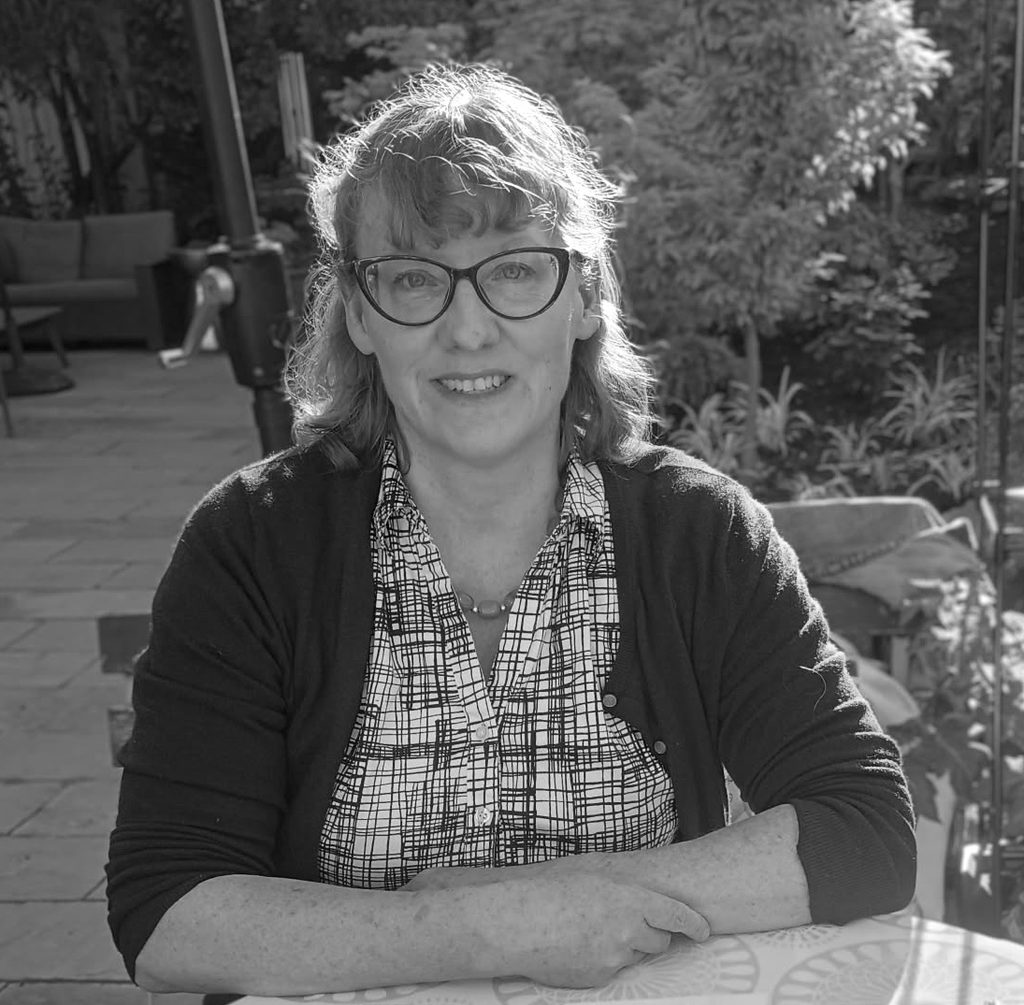
Allison A. deFreese is president of the Oregon Society of Translators and Interpreters and a regional coordinator for #ALTA49. Her translations of Edinson Aladino’s poetry appear or are forthcoming in The Arkansas International, The Los Angeles Review, andThe Queens Review.
