
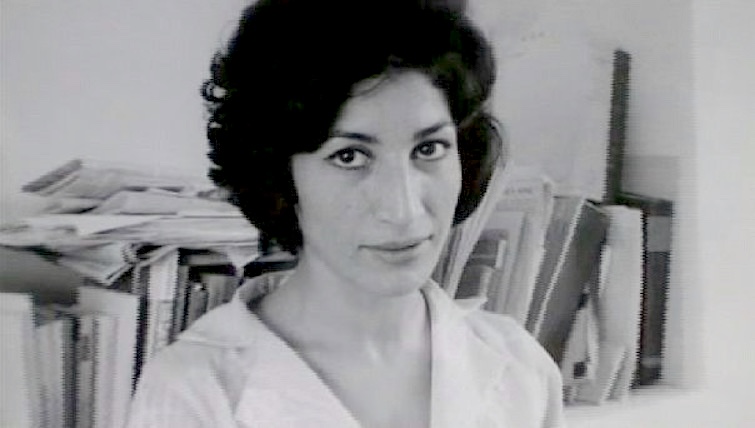
Another Birth
All my being is a verse of darkness
that will take you, repeating within itself
to the dawn of eternal blossoming and growths
in this verse, I sighed you forth
in this verse
I bound you to the tree, to the water, to the fire.
Life, perhaps,
is a long street where a woman holding a basket passes every day
life, perhaps,
is a rope with which a man hangs himself from a branch
life, perhaps, is a child coming home from school.
Life, perhaps, is the lighting of a cigarette in the narcotic stillness between two love-makings
or the absent-minded gaze of a passerby
who lifts his hat
and with a meaningless smile says to another passerby, “Good morning!”
Life, perhaps, is that suspended moment
when my gaze, in the pupil of your eyes, falls apart and dissolves
and it is this very sensation
that I will blend with the impression of the moon and the perception of darkness.
In a room no larger than loneliness
my heart
which is as vast as love
gazes upon the simple pretexts of its happiness
the beautiful fading of flowers in the vase
the sapling you planted in our garden
and the song of the canaries
that sing to the size of a window.
Ah
this is my share
this is my share
my share is
a sky that the hanging of a curtain steals away from me
my share is descending of a forgotten staircase
and reaching something amid decay and solitude
my share is a sorrowful wandering through the garden of memories
and surrendering my breath to the sadness of a voice that tells me:
“I love
your hands.”
I will plant my hands in the garden
I will grow, I know, I know, I know
and the swallows
in the hollows of my ink-stained fingers
will lay their eggs.
I shall wear
two twin red cherries as earrings
and on my nails
I shall put the petals of a dahlia flower
there is an alley
where the boys who once loved me
still with the same tangled hair, thin necks and bony legs
think of the innocent smiles of a little girl whom one night
the wind carried away.
There is an alley that my heart
has stolen from the streets of my childhood.
A swelling journey along the line of time
and making that dry, linear time pregnant with form
a form born of a conscious image
returning from a feast in a mirror.
And this is how
someone dies
and someone lives on.
No fisherman will ever catch a pearl in a small stream
that drains into a pit.
I know
a little sorrowful fairy
who dwells in an ocean
and play her heart
on a wooden reed flute,
softly, softly
a little sorrowful fairy
who at night dies with a kiss
and at dawn is reborn with a kiss.
تولدی دیگر
همهٔ هستی من آیهٔ تاریکیست
که ترا در خود تکرارکنان
به سحرگاه شکفتنها و رستنهای ابدی خواهد برد
من در این آیه ترا آه کشیدم، آه
من در این آیه ترا
به درخت و آب و آتش پیوند زدم
زندگی شاید
یک خیابان درازست که هر روز زنی با زنبیلی از آن میگذرد
زندگی شاید
ریسمانیست که مردی با آن خود را از شاخه میآویزد
زندگی شاید طفلیست که از مدرسه بر میگردد
زندگی شاید افروختن سیگاری باشد، در فاصلهٔ رخوتناک دو همآغوشی
یا نگاه گیج رهگذری باشد
که کلاه از سر بر میدارد
و به یک رهگذر دیگر با لبخندی بیمعنی میگوید صبح بخیر
زندگی شاید آن لحظهٔ مسدودیست
که نگاه من، در نینی چشمان تو خود را ویران میسازد
و در این حسی است
که من آنرا با ادراک ماه و با دریافت ظلمت خواهم آمیخت
در اتاقی که به اندازهٔ یک تنهاییست
دل من
که به اندازهٔ یک عشقست
به بهانههای سادهٔ خوشبختی خود مینگرد
به زوال زیبای گلها در گلدان
به نهالی که تو در باغچهٔ خانهمان کاشتهای
و به آواز قناریها
که به اندازهٔ یک پنجره میخوانند
آه…
سهم من اینست
سهم من اینست
سهم من،
آسمانیست که آویختن پردهای آنرا از من میگیرد
سهم من پائین رفتن از یک پلهٔ متروکست
و به چیزی در پوسیدگی و غربت واصل گشتن
سهم من گردش حزنآلودی در باغ خاطرههاست
و در اندوه صدائی جان دادن که به من میگوید:
«دستهایت را
دوست میدارم»
دستهایم را در باغچه میکارم
سبز خواهم شد، میدانم، میدانم، میدانم
و پرستوها در گودی انگشتان جوهریم
تخم خواهند گذاشت
گوشواری به دو گوشم میآویزم
از دو گیلاس سرخ همزاد
و به ناخنهایم برگ گل کوکب میچسبانم
کوچهای هست که در آنجا
پسرانی که به من عاشق بودند، هنوز
با همان موهای درهم و گردنهای باریک و پاهای لاغر
به تبسمهای معصوم دخترکی میاندیشند که یکشب او را
باد با خود برد
کوچهای هست که قلب من آنرا
از محل کودکیم دزدیده ست
سفر حجمی در خط زمان
و به حجمی خط خشک زمان را آبستن کردن
حجمی از تصویری آگاه
که ز مهمانی یک آینه بر میگردد
و بدینسانست
که کسی میمیرد
و کسی میماند
هیچ صیادی در جوی حقیری که به گودالی میریزد،
مرواریدی صید نخواهد کرد.
من
پری کوچک غمگینی را
میشناسم که در اقیانوسی مسکن دارد
و دلش را در یک نیلبک چوبین
مینوازد آرام، آرام
پری کوچک غمگینی
که شب از یک بوسه میمیرد
و سحرگاه از یک بوسه به دنیا خواهد آمد
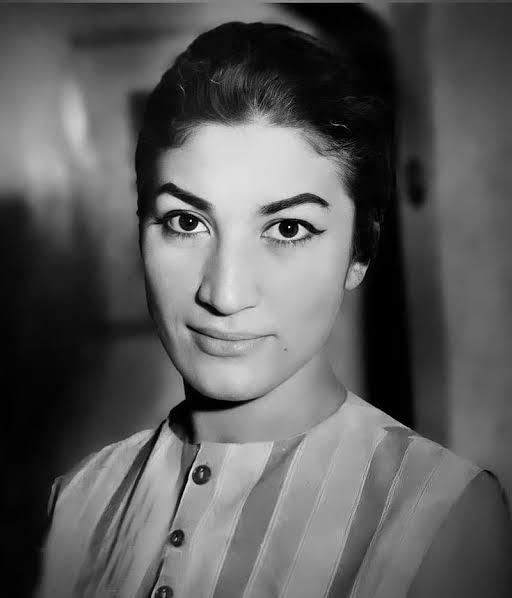
Forough Farrokhzad (1934–1967) is one of the most influential figures in modern Persian literature and a pioneering voice in twentieth-century poetry. Her work transformed Persian verse through its intimate lyricism, formal innovation, and unflinching exploration of gender, desire, alienation, and selfhood. Published in 1964, Another Birth (Tavallodi Digar) is widely regarded as her masterpiece and marks a turning point in her poetic development, combining personal reflection with philosophical depth and a renewed engagement with the social world. The collection remains central to discussions of modernity, feminism, and poetic innovation in Iranian literature. Zahra Feizbakhsh Tavana’s translation seeks to bring Farrokhzad’s distinctive voice and enduring vision to English-language readers.
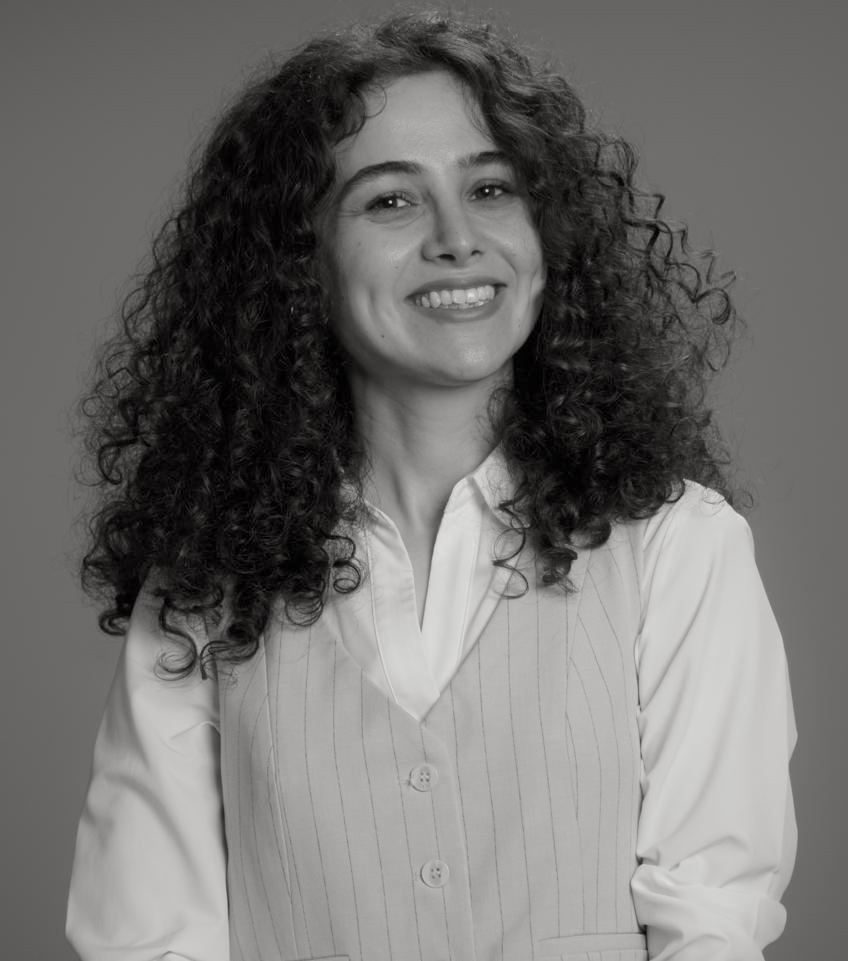
Zahra Feizbakhsh Tavana is a PhD candidate in English Literature at the University of Houston. Her research examines refugee literature, borderization, and the political order as a structure of death. She is committed to exploring how colonial systems deaden empathy, normalize killing, and invoke myths of national security to justify violence while centering the dignity and humanity of those displaced. At the University of Houston, she teaches first-year writing and drama courses that engage students in conversations on justice and vulnerability. She is the recipient of the 2024–2025 University of Houston Teaching Excellence Award, a university-wide honor. She also holds a Graduate Certificate in Women, Gender, and Sexuality Studies and is an active member of the program. In Summer 2025, she served as Researcher & Translator with the Institute for Research on Women, Gender & Sexuality at UH, contributing to the Harris County RAPID Community Survey, a county-funded study on the well-being and needs of immigrant/ refugee mothers with young children. Beyond her academic and community work, she translates Persian poetry; her translations of Forough Farrokhzad (1934–1967), the pioneering voice of Iranian feminism, appear in the Kenyon Review.
